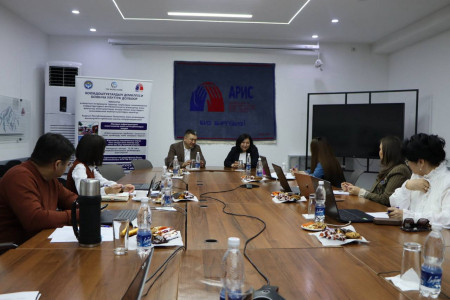
Training on “Mechanisms and Steps for Implementing the National Community Initiatives Project” Launched in Bishkek
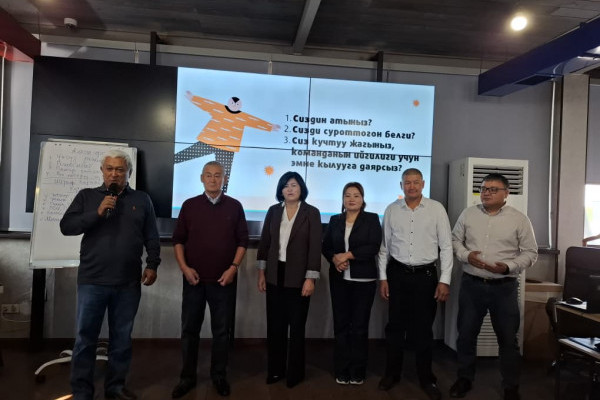
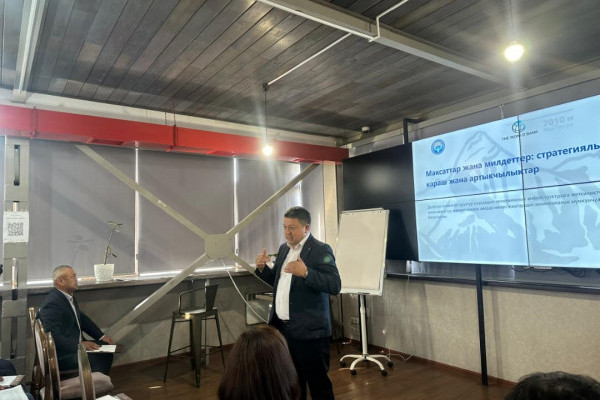
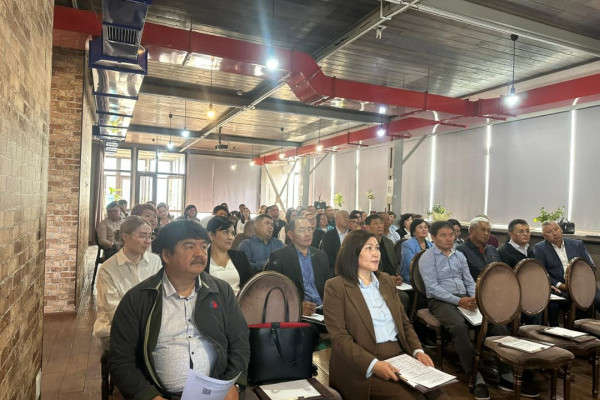
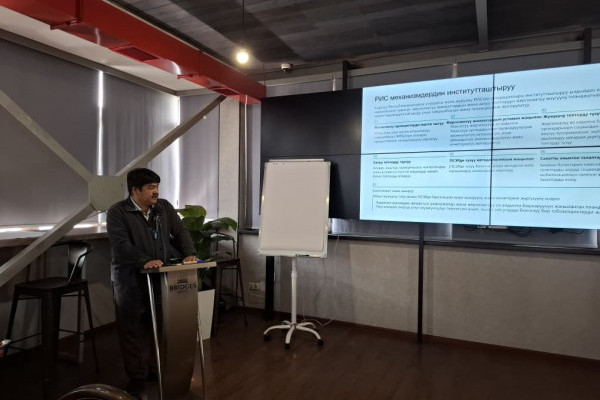
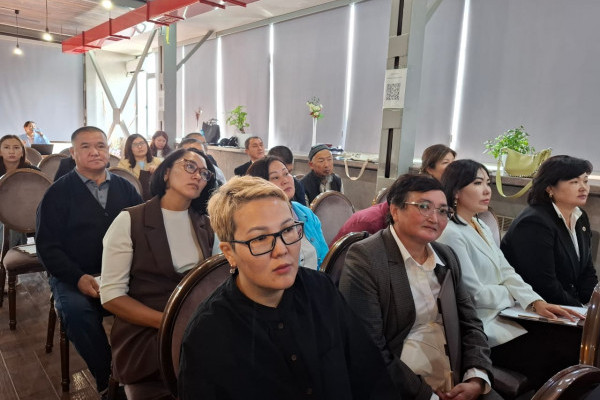
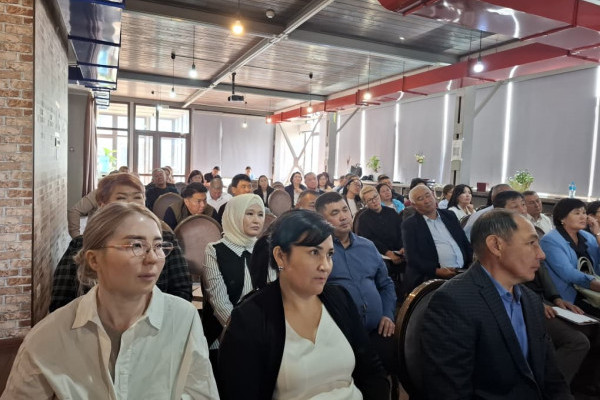
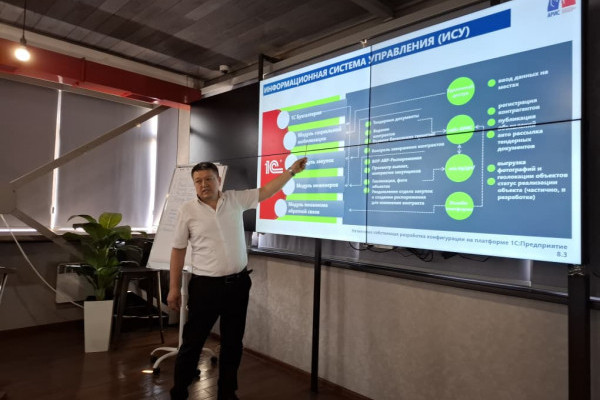
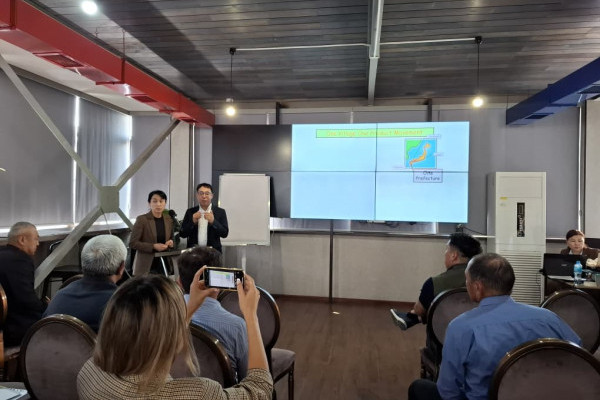
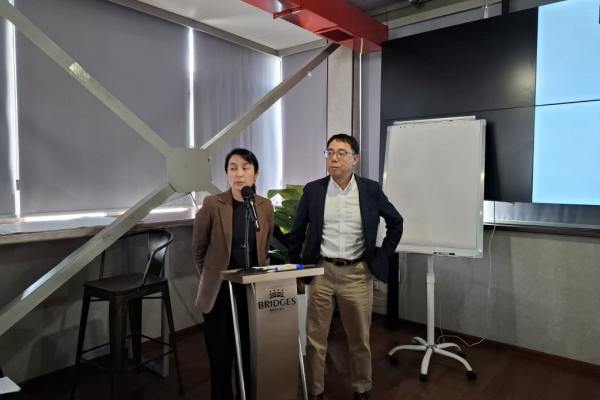
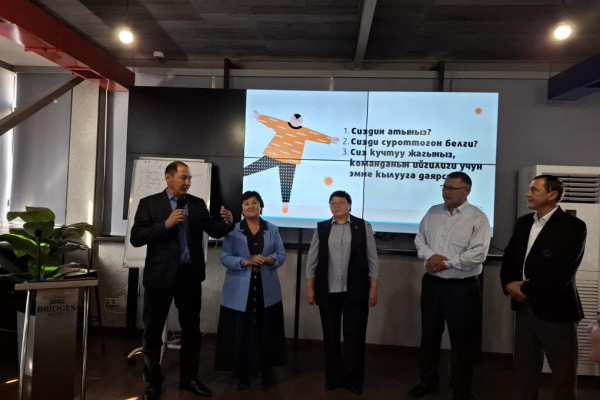
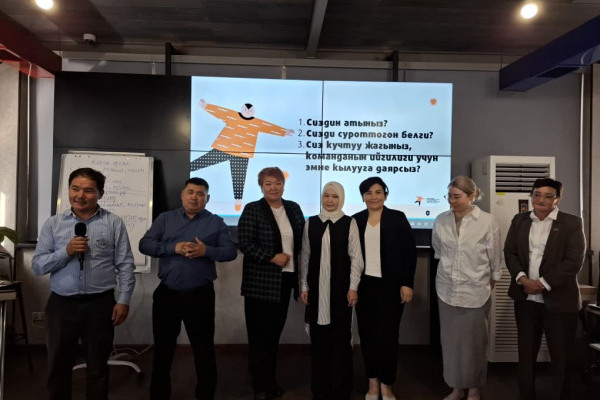
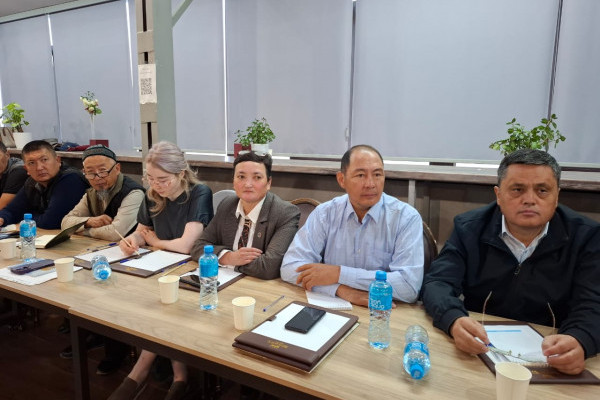
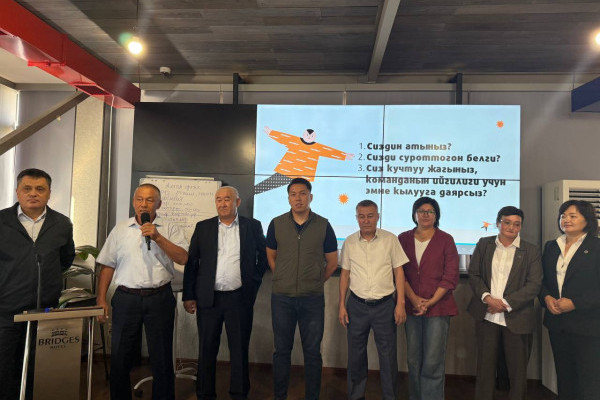
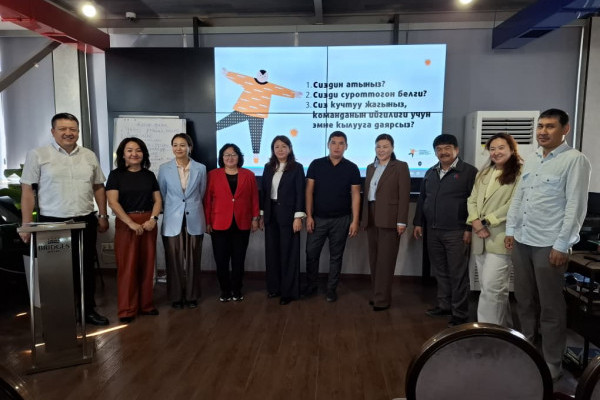
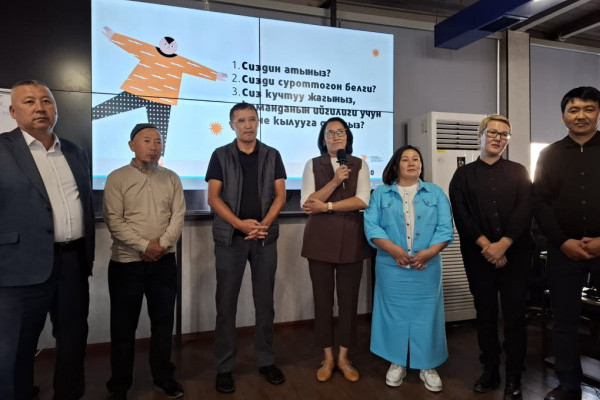
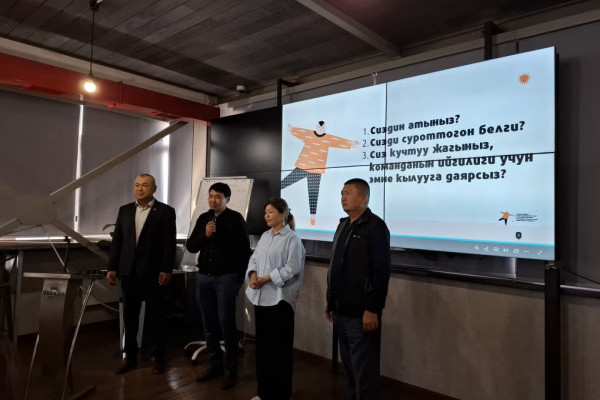
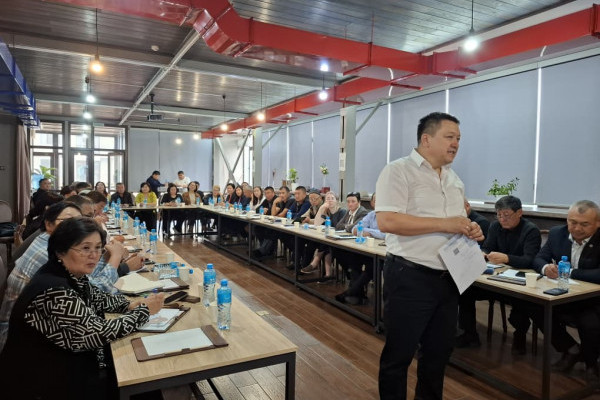
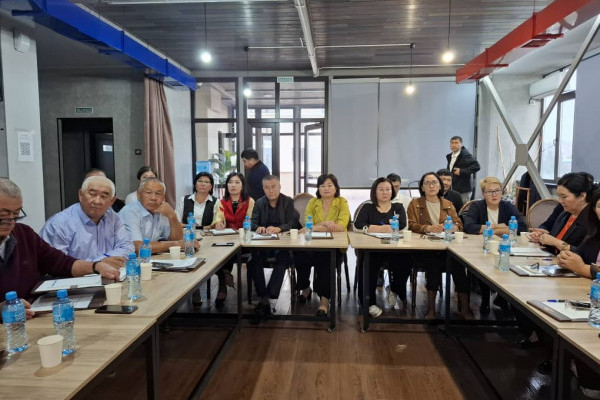
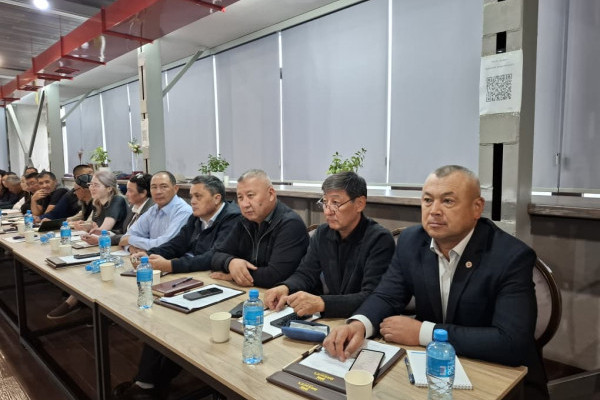
From September 21 to 27, training is being conducted for NCIP staff to enhance their capacity through mastering key tools, understanding project implementation approaches, and clarifying roles and responsibilities of the stakeholders.
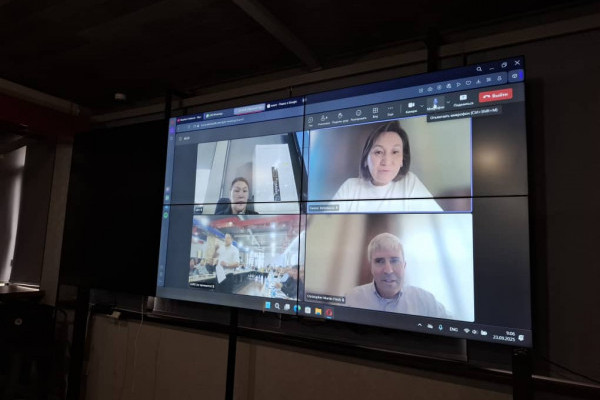
On September 23, during a videoconference with the training participants, Christopher Finch, Head of the World Bank Mission supporting NCIP, shared the strategic vision for project implementation in Kyrgyzstan.
The training also focused on supporting local self-government bodies in developing Social and Economic Development Programs (SEDPs), encouraging communities to implement climate initiatives within priority subprojects, expanding economic opportunities for women and youth, using digital platforms, and conducting community-led monitoring processes.
As emphasized during the training, by integrating digital skills development activities, NCIP will promote more productive use of digital technologies, with particular attention to women, to encourage their active participation in the digital economy. Moreover, NCIP implementation will contribute to reducing greenhouse gas emissions by promoting energy efficiency and the use of renewable energy in selected investments that improve the socio-economic infrastructure of villages. The project’s activities are expected to reduce climate-related risks.
As NCIP specialist Nurila Abdybekova noted: “The OVOP (One Village – One Product) concept provides an excellent opportunity to encourage the introduction of environmentally safe production based on value chains, processing, and transportation of goods and products. Women trained in entrepreneurial skills and provided with mentorship support will gain access to employment opportunities in more productive sectors.”
Overall, such economic integration measures are expected to enhance resilience, improve access to finance, diversify income sources, and help address population displacement caused by climate change.