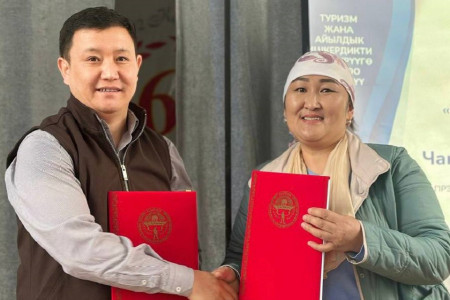
Social Mobilization Activities Launched in Chui Oblast Under the National Community Initiatives Project (NCIP)
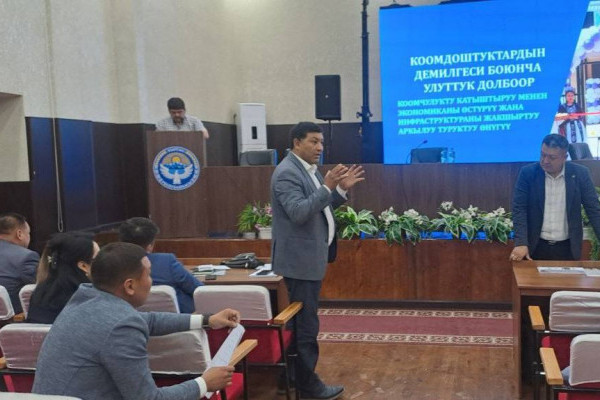
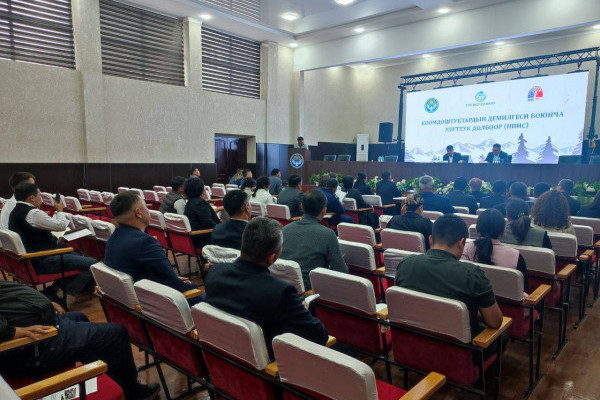
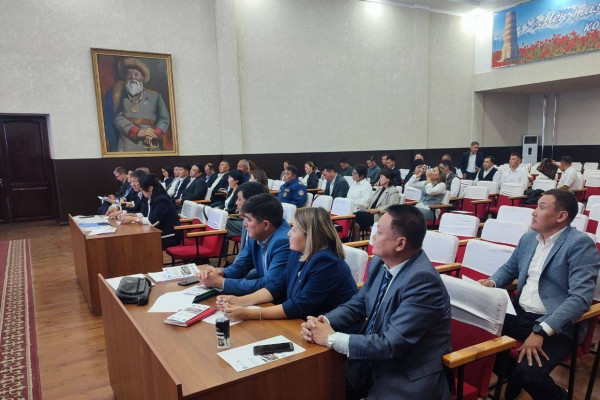
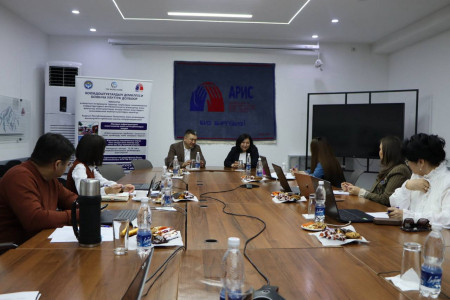
Today, September 30, a round table was held in Chui Oblast as part of the implementation of the National Community Initiatives Project (NCIP). The goal of the recently launched project is to improve access to climate-resilient socio-economic infrastructure and to enhance economic opportunities for women and youth in target communities.
The round table was attended by Kanat Saginovich Jumaziev, Plenipotentiary Representative of the President of the Kyrgyz Republic in Chui Oblast, district heads (akims), heads of Ayil Okomotus (rural administrations), chairs of Ayil Keneshes (rural councils), representatives of the Ministries of Health, Labor, Social Protection and Migration, Emergency Situations, Construction, Architecture and Housing and Communal Services, as well as representatives of the Chui Oblast business community and the NCIP team.
The National Community Initiatives Project (NCIP) is coordinated by the Ministry of Economy and Commerce of the Kyrgyz Republic and implemented by the Community Development and Investment Agency of the Kyrgyz Republic. The total amount allocated to the project is US$27 million (of which US$25 million is financed by the World Bank; US$2 million is a grant from the Early Learning Partnership (ELP) Fund).
The National Community Initiatives Project (NCIP) is implemented in accordance with the conceptual programs and strategic plans of the Kyrgyz Republic, on the basis of Socio-Economic Development Programs of the rural territories and community-driven development mechanisms.
As NCIP Coordinator M.E. Bayaliev noted: "The project places particular emphasis on social mobilization, ensuring the active participation of the population – especially women and youth – in the planning processes and implementation of initiatives. Under the project, 40 Ayil Aimaks have been selected from 40 districts across 7 Oblasts of Kyrgyzstan, and grants will be provided for projects related to the rehabilitation of social infrastructure facilities, such as kindergartens, schools, medical institutions, and heating, electricity, water supply, and irrigation systems. In addition, economic small-scale sub-projects will be implemented on a competitive basis using the mechanisms of the OVOP (One Village One Product) concept.
Grant allocation will represent significant support for target communities and Local self-governments in implementing relevant investment sub-projects within the framework of the local Socio-Economic Development Programs (SEDPs). It is expected that, as a result of NCIP implementation: key socio-economic development issues in the regions will be addressed; access to quality services will be expanded (including through the opening of private kindergartens); women's and youth entrepreneurship will be supported; and women's leadership potential in communities will be developed.