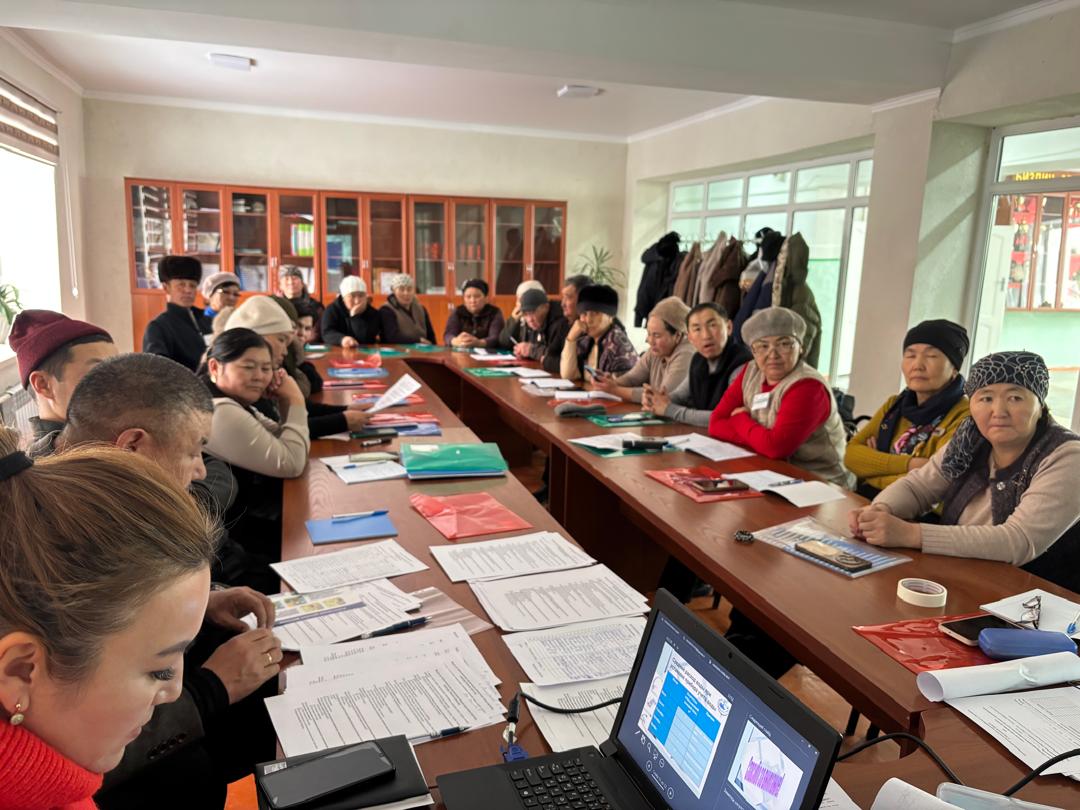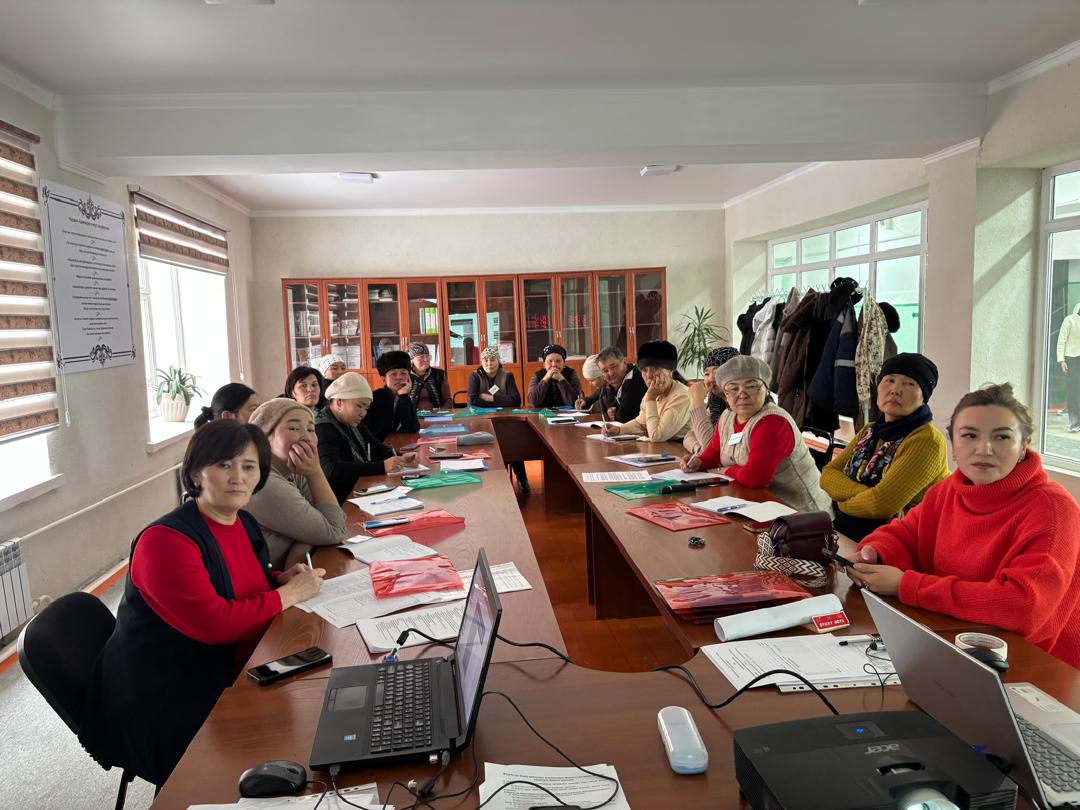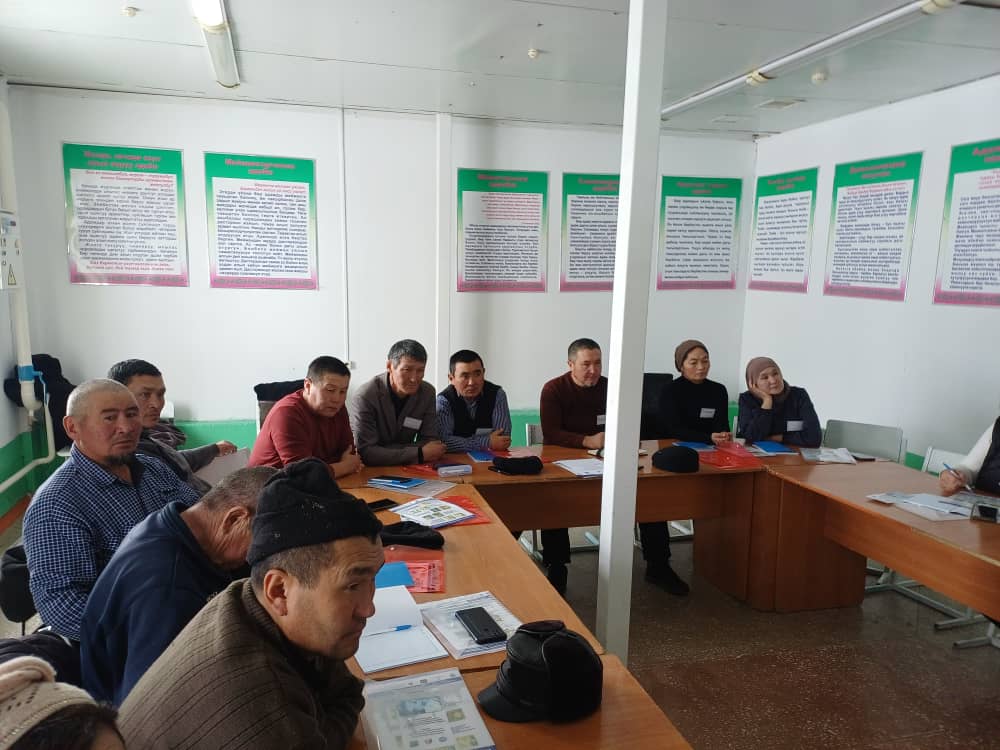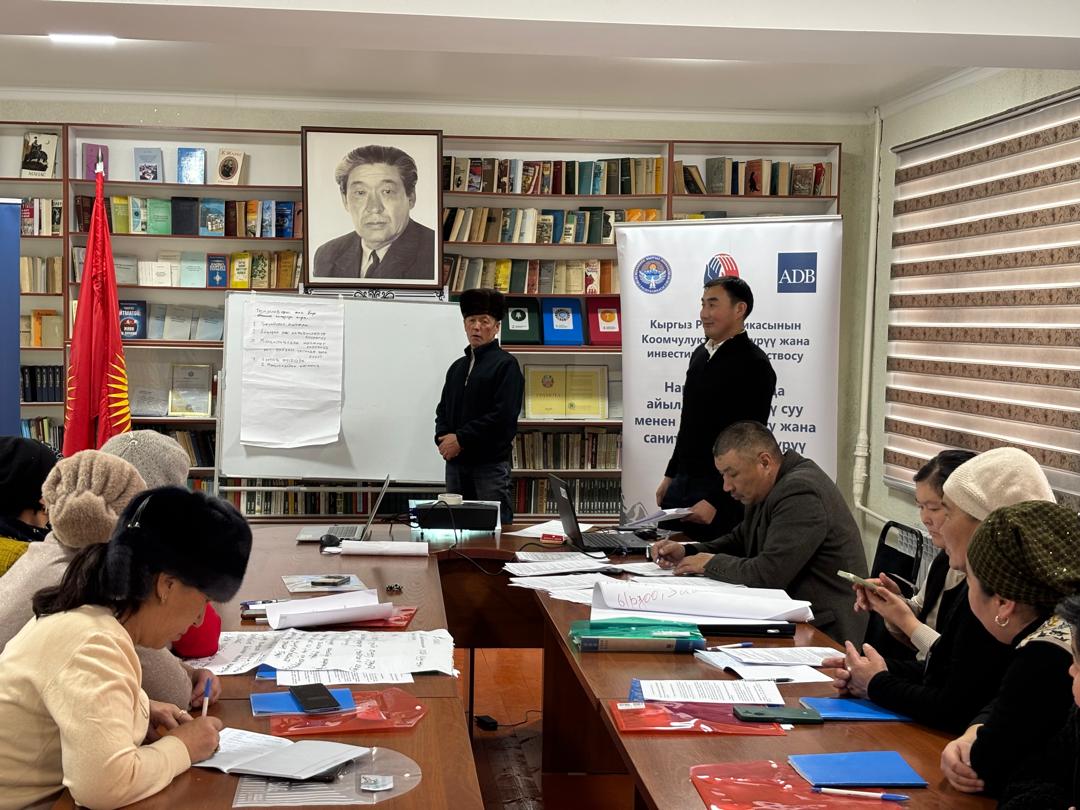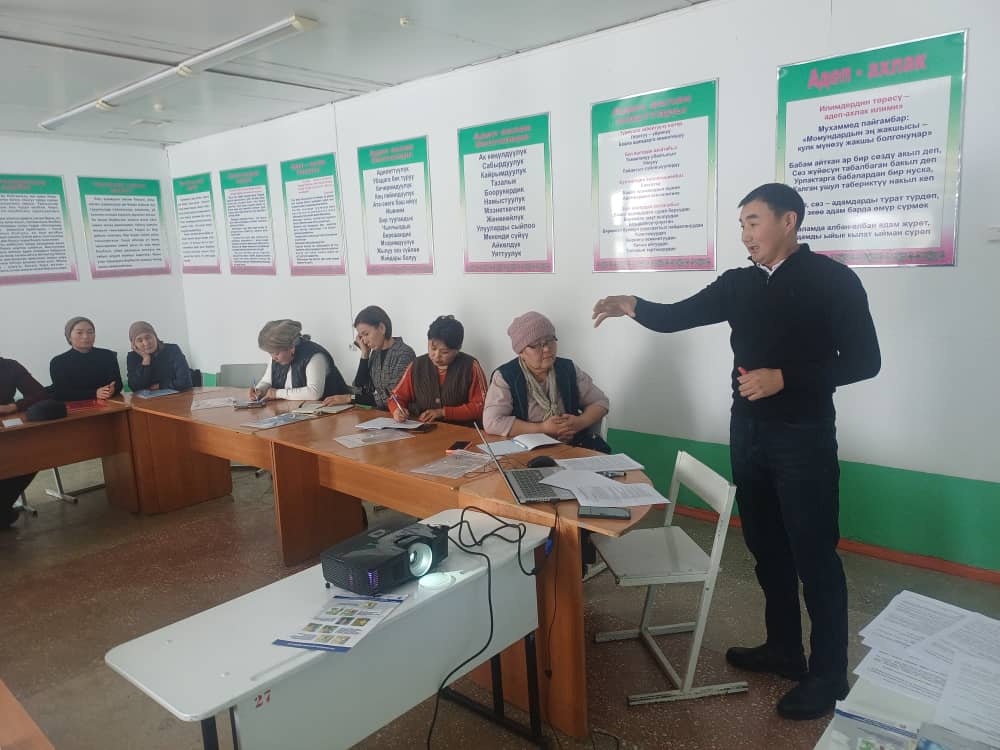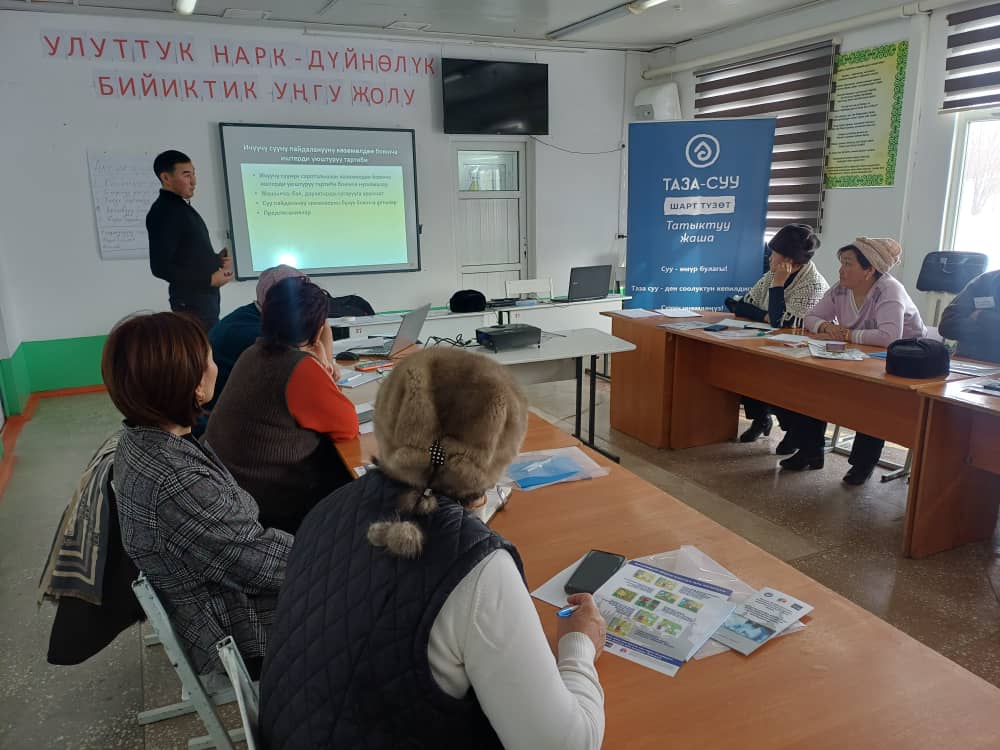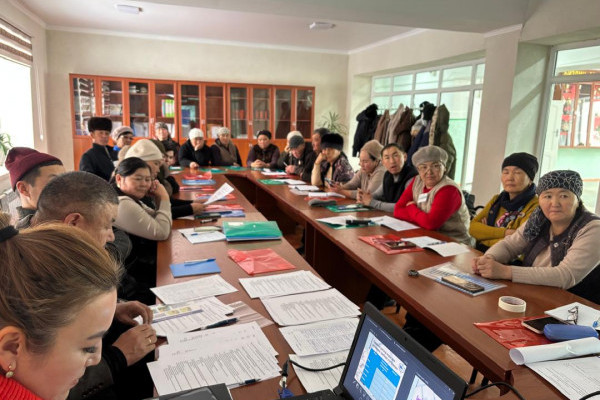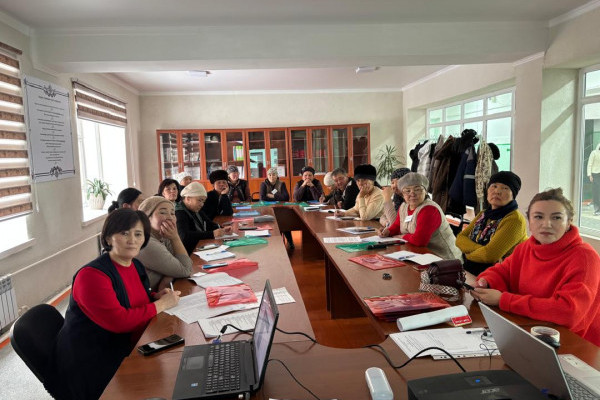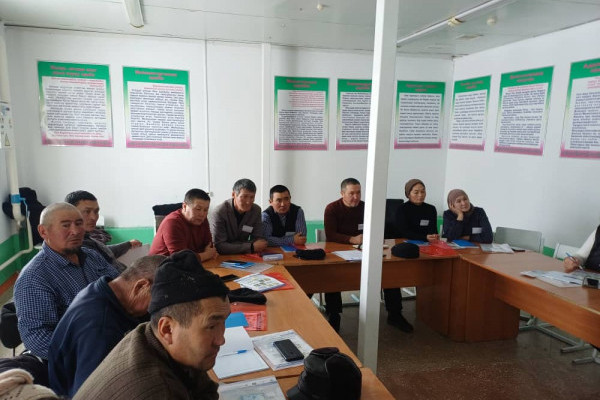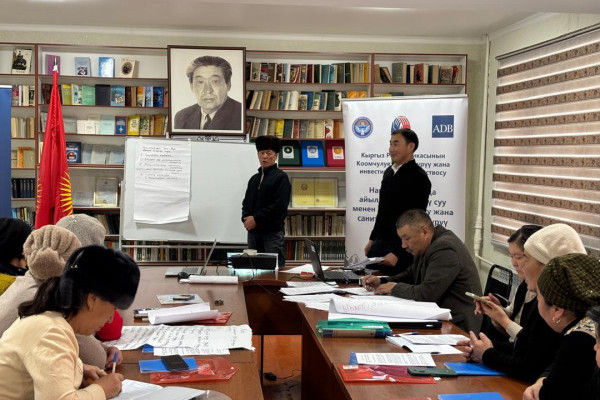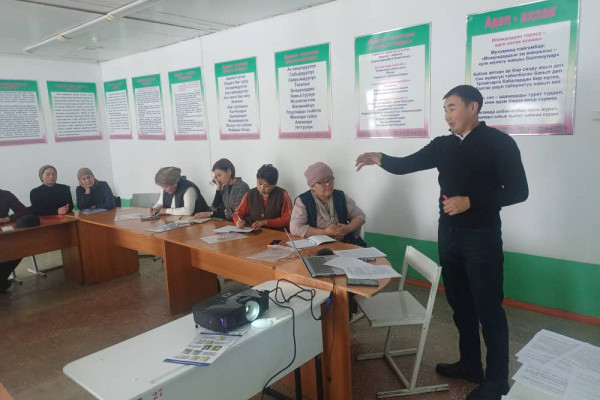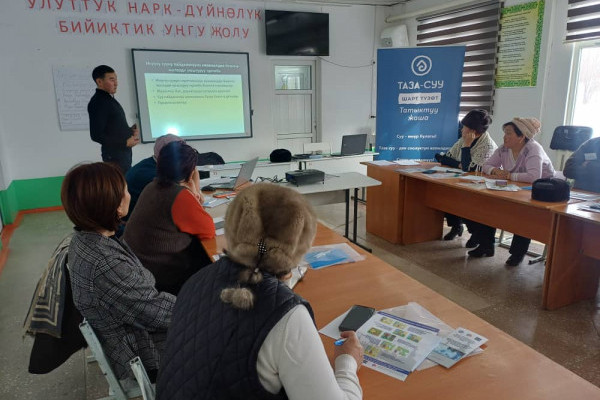
Training Sessions on How to Organize Work with Drinking Water Supply Customers Held in the Naryn Region.
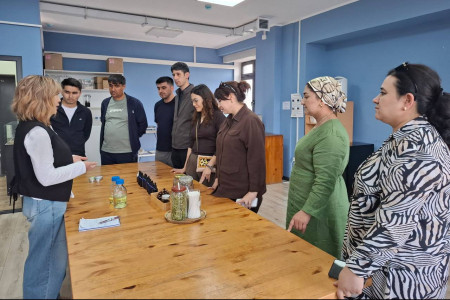
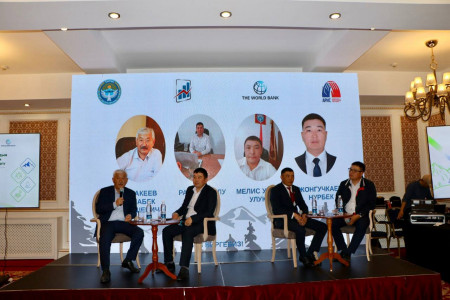
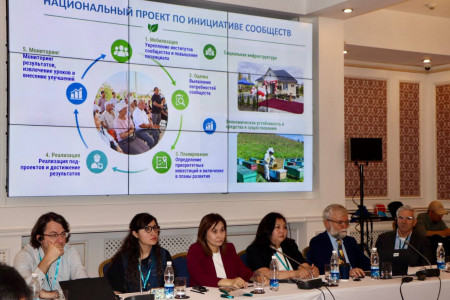
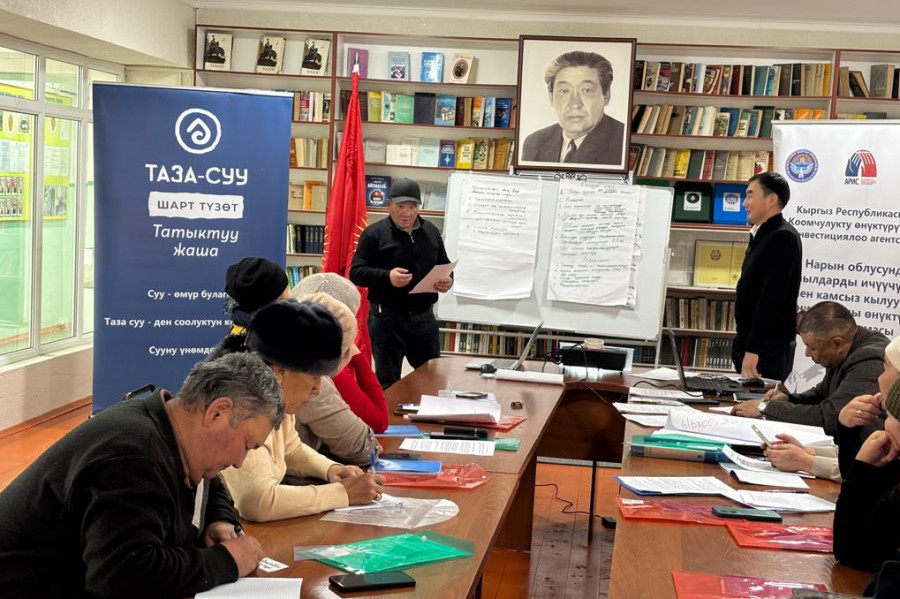
On December 17–19, 2025, a three-day training on "Organizing Work with Drinking Water Supply Customers" was held in Naryn Oblast as part of the "Naryn Rural Water Supply and Sanitation Development Program” (NRWSSDP). The trainings were held in the following villages: Uchkun, Kulanak and Zherge-Tal in Naryn District. In total, 75 people participated in this event, including 43 women.
The main goal of the event was to improve the professional skills of Municipal Enterprise employees, Water Committee representatives, village elders and village activists, improve the customer service and promote the efficient use of drinking water. During the trainings, participants learned about organizing the customer service, metering and regulating water consumption, ensuring timely payment collection and engaging with the public on issues of rational using the drinking water.
Additionally, legislative and regulatory documents applicable to the financial and economic activities of Municipal Enterprises were reviewed. The training program included the work with documents, group tasks, case studies based on successful experiences, and discussions. To assess effectiveness of the training, participants passed through the pre- and post-test.
Upon completion of the training, participants were able to apply the acquired knowledge and recommendations to managing drinking water supply systems in rural areas and improving customer service.
This event was held as part of the "Naryn Rural Water Supply and Sanitation Development Program " funded by the Cabinet of Ministers of the Kyrgyz Republic and the Asian Development Bank. The Program is being implemented by the Community Development and Investment Agency of the Kyrgyz Republic (ARIS) and its aim is to provide over 100 000 residents of 43 villages in Naryn Oblast with access to improved water sources. Furthermore, the proportion of the population using organized safe water supply services will increase, sanitary facilities in kindergartens, schools, and healthcare institutions will be restored, and on a pilot basis, some households will be connected to local wastewater treatment facilities.