ПУТС: улучшение теплоснабжения и энергоэффективности в действии
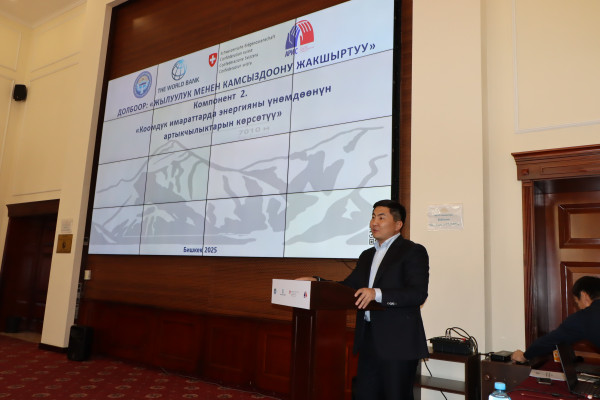
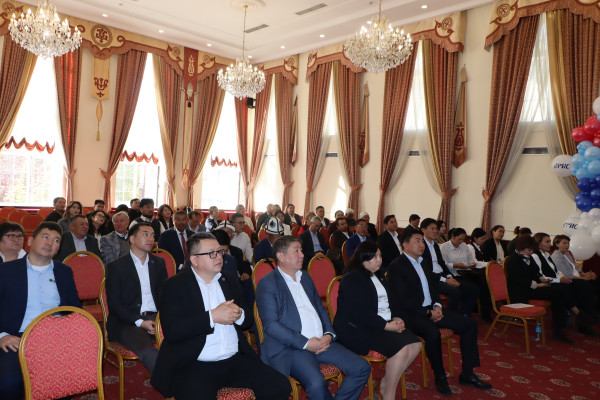
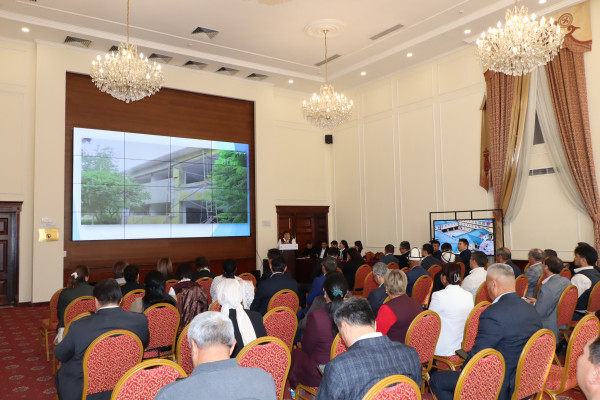
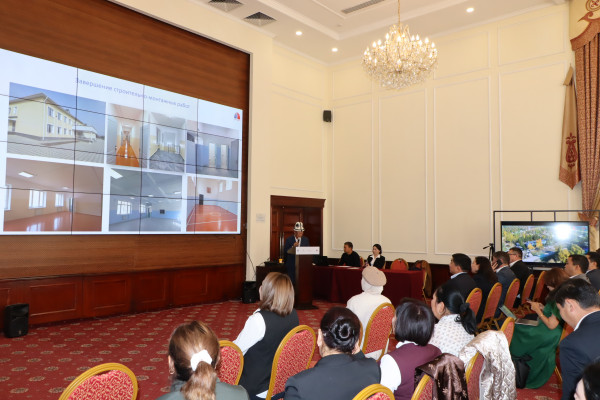
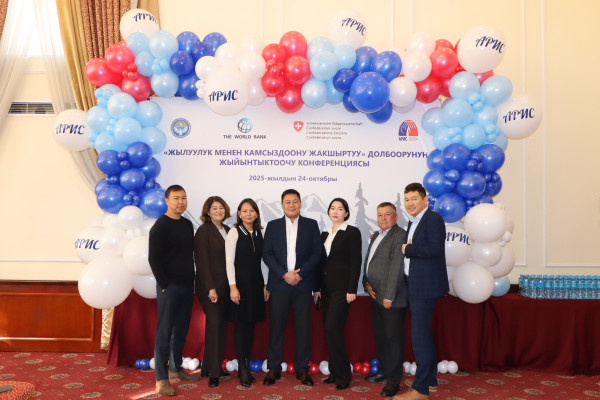
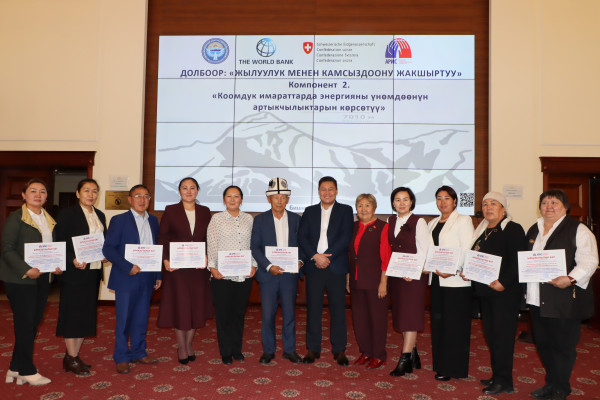
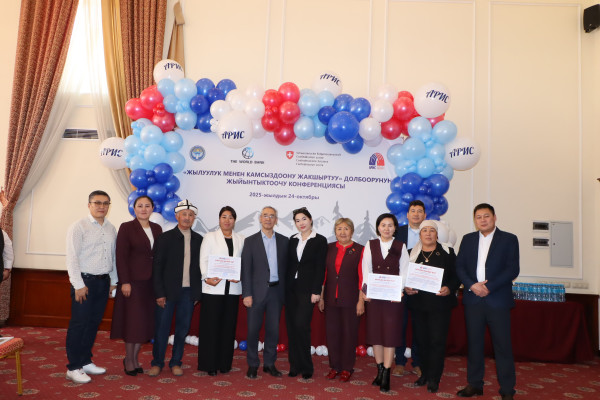
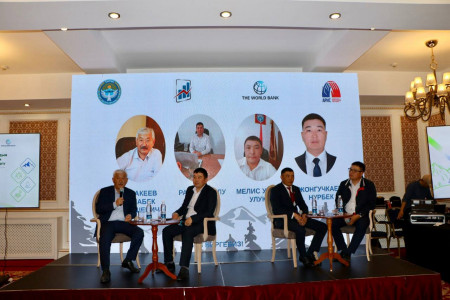
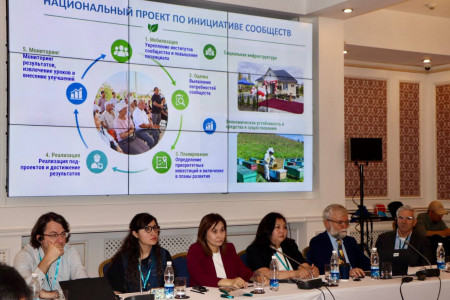
Бишкек, Кыргызстан. — Состоялась итоговая конференция проекта «Улучшение теплоснабжения» (ПУТС), посвящённая подведению итогов и обмену результатами его реализации.
Основная цель проекта — повышение энергоэффективности и сейсмоустойчивости общественных зданий, включая школы, детские сады, больницы и другие социальные учреждения. Эти объекты ежедневно принимают тысячи детей, родителей, педагогов, врачей и пациентов, поэтому обеспечение их безопасности, комфорта и надёжности имеет первостепенное значение.
В конференции приняли участие ключевые партнёры и бенефициары проекта:
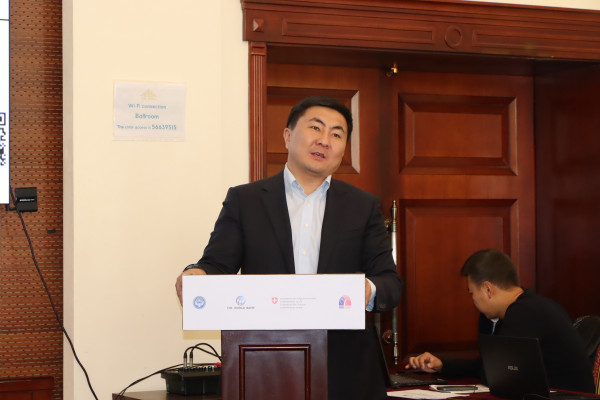
- Бектен Доолотов, специалист по вопросам развития энергетики Всемирного банка;
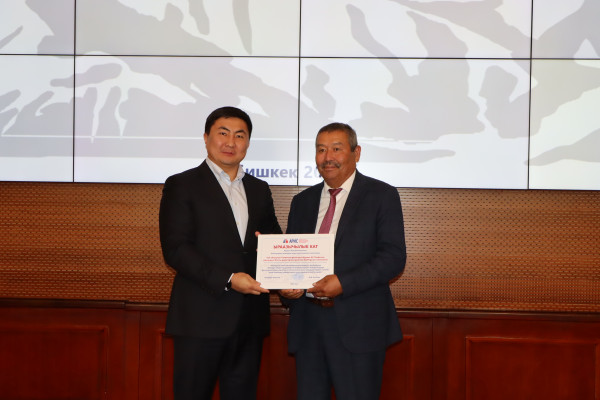
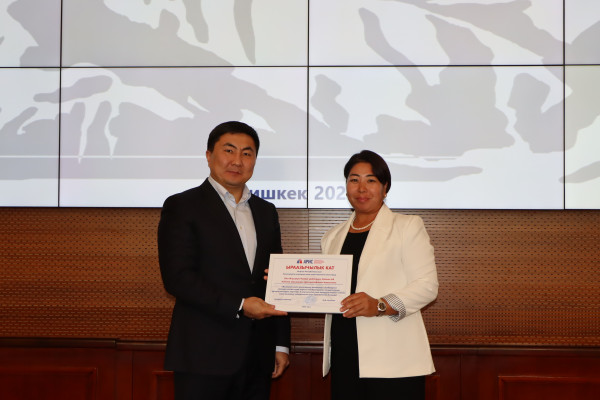
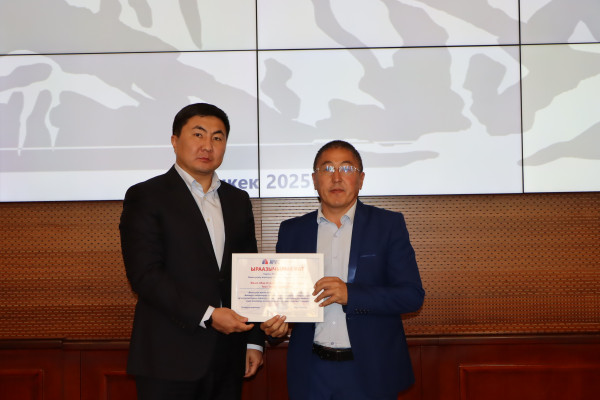
- Марс Наспеков, исполнительный директор Агентства развития и инвестирования сообществ Кыргызской Республики (АРИС);
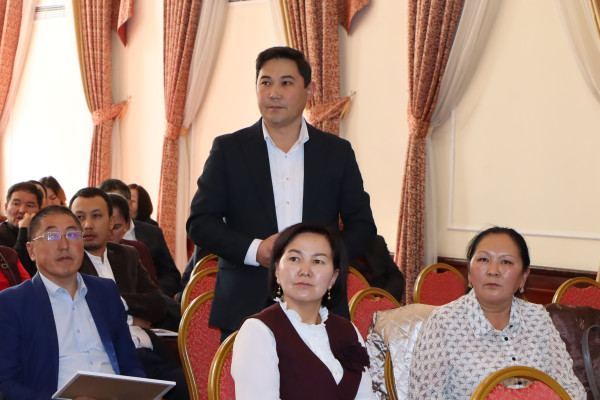
- а также представители государственных органов, международных организаций и местных сообществ.
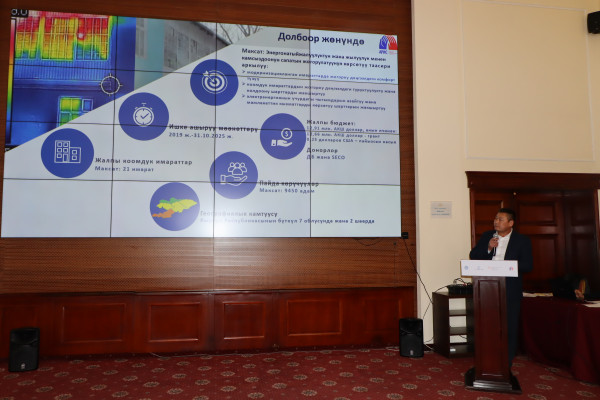
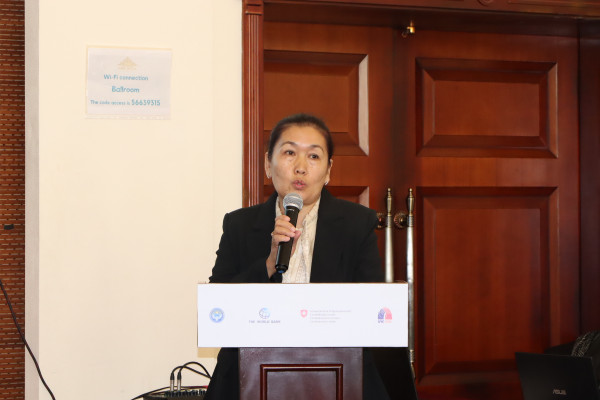
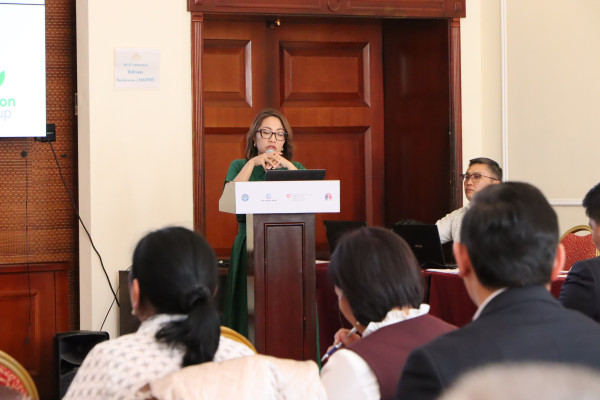
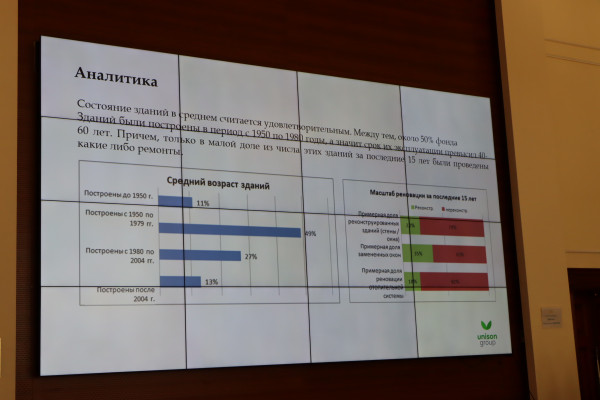
Участники представили отчёты и презентации о достигнутых результатах, поделились историями успеха и обсудили дальнейшие шаги по повышению энергоэффективности и устойчивости инфраструктуры.
«Мы гордимся тем, что проект ПУТС достиг ощутимых результатов, — отметил исполнительный директор АРИС Марс Наспеков. — Сегодня мы видим, как модернизация систем теплоснабжения и внедрение энергоэффективных решений напрямую влияют на качество жизни людей, создают комфортные условия в школах и больницах, способствуют устойчивому развитию инфраструктуры и подтверждают эффективность партнёрства между государством, международными институтами и местными сообществами».
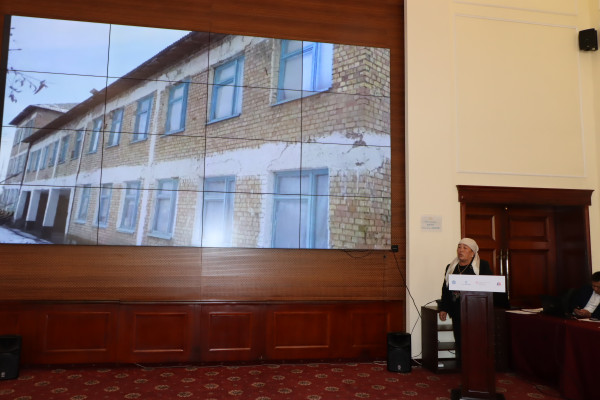
В рамках проекта во многих зданиях проведены комплексные работы по утеплению, модернизации систем отопления, замене устаревших коммуникаций и установке современного энергоэффективного оборудования. Теперь зимой в классах и больничных палатах стало теплее, расходы на отопление сократились, а внутренний микроклимат стал более стабильным и здоровым.
Особое внимание уделено повышению сейсмоустойчивости зданий: укреплены конструкции, усилены перекрытия и несущие стены, проведена оценка устойчивости к возможным землетрясениям. Эти меры не только обеспечивают безопасность пользователей, но и продлевают срок службы зданий, гарантируя их надёжную работу в долгосрочной перспективе.
Проект стал важным шагом на пути к созданию современной, энергоэффективной и безопасной инфраструктуры, которая служит людям и делает их жизнь комфортнее и устойчивее.
Проект Кабинета Министров Кыргызской Республики «Улучшение теплоснабжения» был реализован при финансовой поддержке Всемирного банка и Государственного секретариата по экономическим вопросам Правительства Швейцарии. Исполнителем выступило Агентство развития и инвестирования сообществ Кыргызской Республики.