Under the National Community Initiatives Project (NCIP), a comprehensive assessment of economic resources and a market analysis have been completed, identifying priority value chains
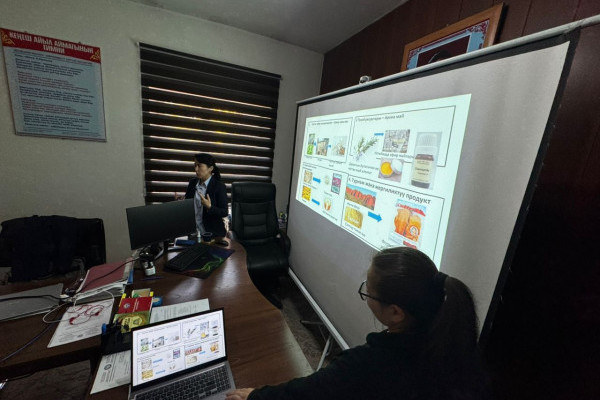
The objective of the study was to conduct an comprehensive diagnosis of the raw material base, production capacity, infrastructure, and market conditions in 40 pilot Ayil Aimaks across 7 Oblasts of the Kyrgyz Republic in order to identify priority value chains that can be integrated into Social and Economic Development Programs (SEDPs) and financed through NCIP mechanisms.
The methodological framework, analytical tools, and systematization of findings were developed and implemented by the expert team of the Public Association “One Village One Product +1” (OVOP+1), which has specialized expertise in local economic development, rural development, and value chain development.
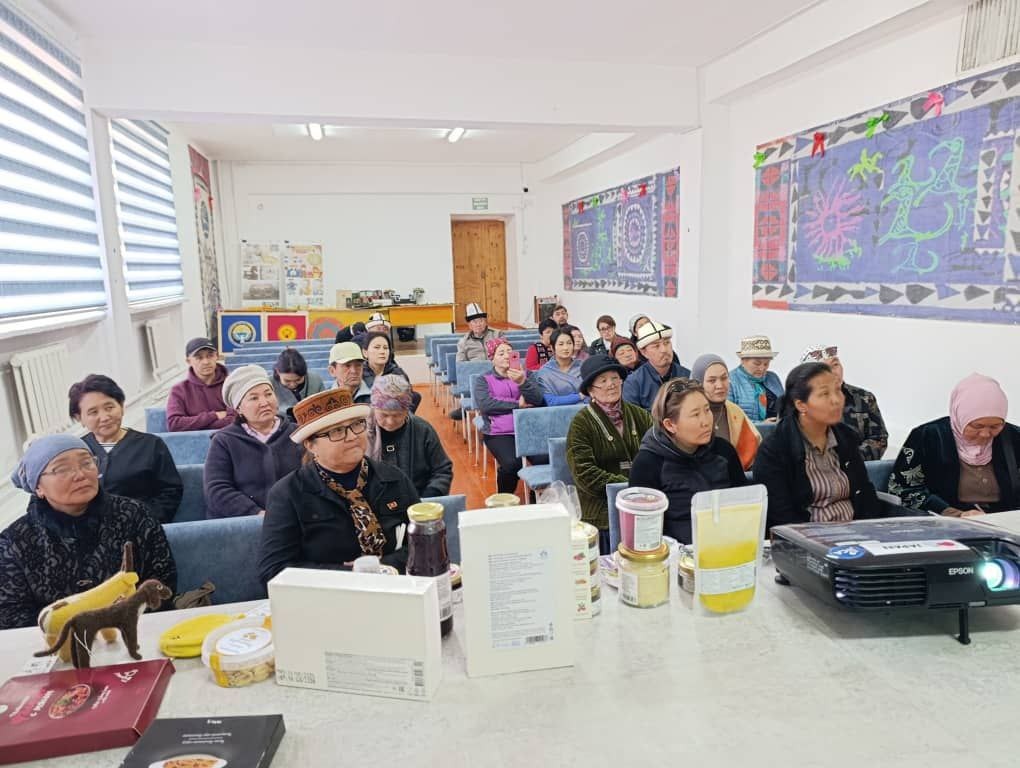
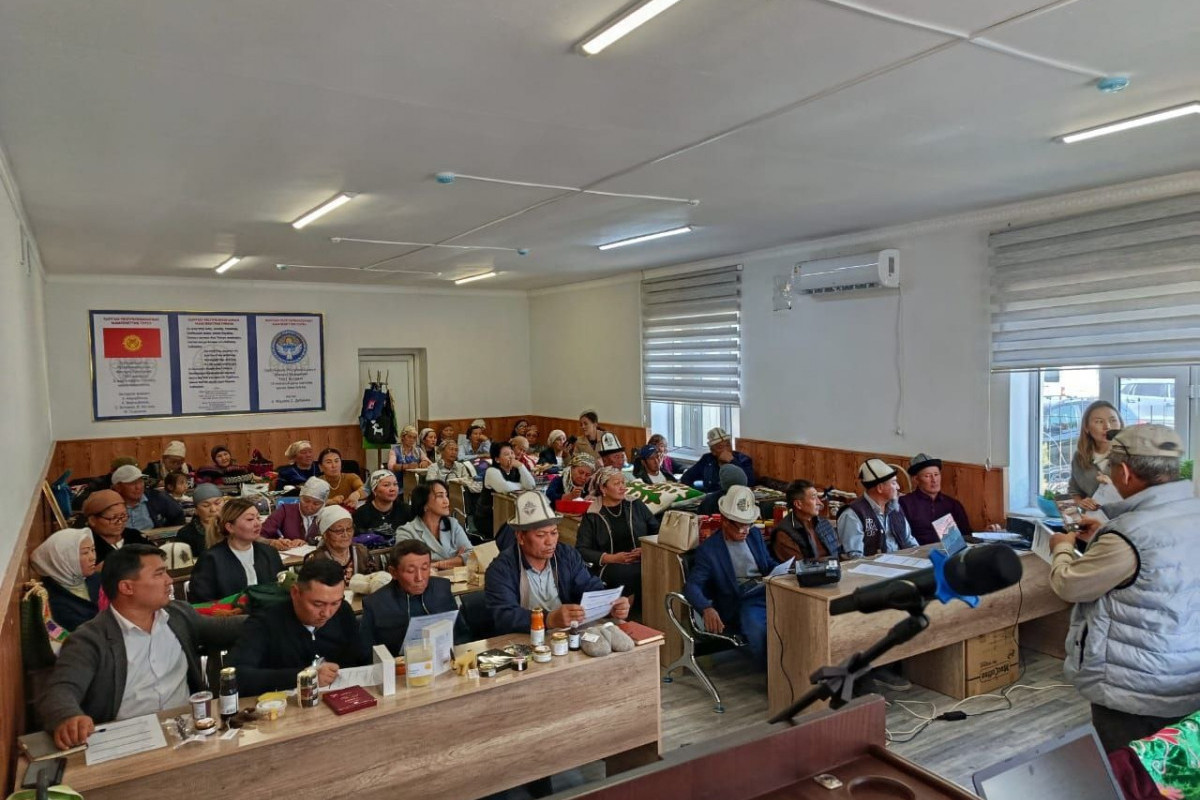
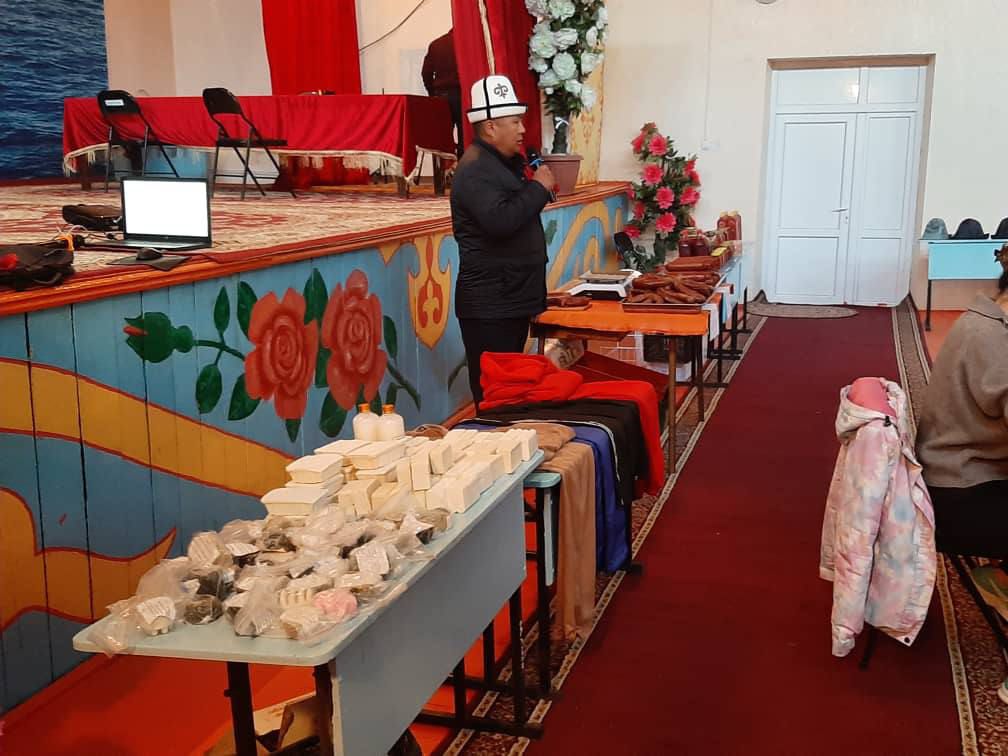
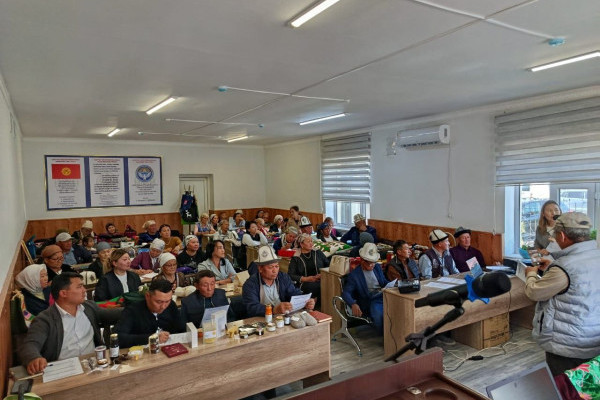
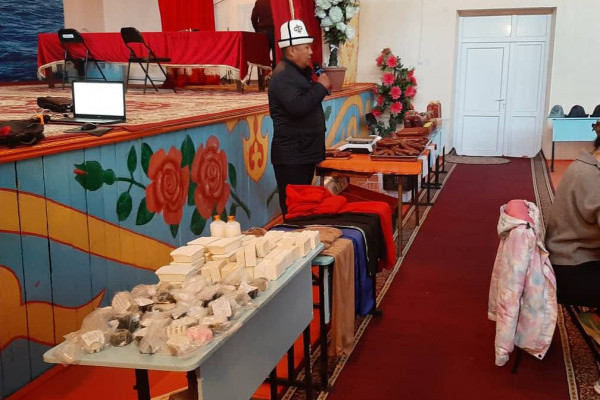
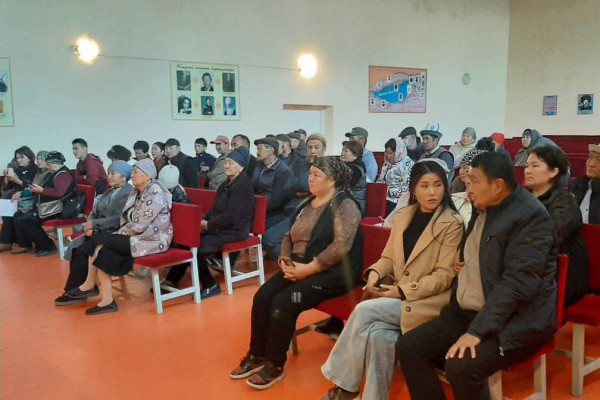
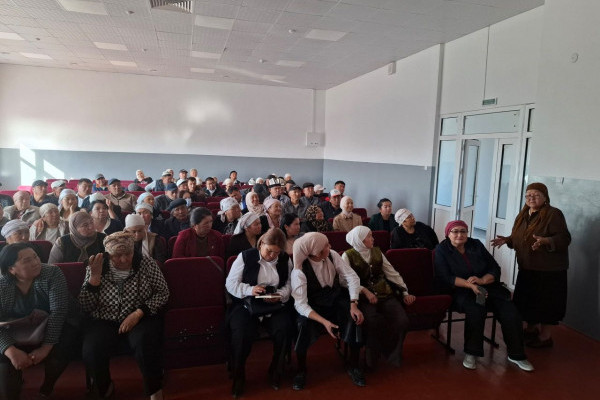
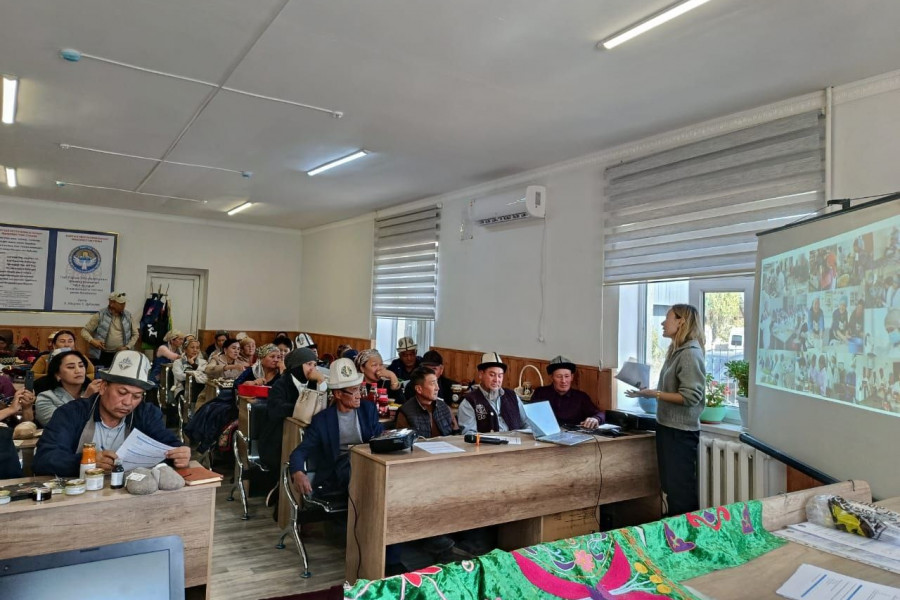
For one of the largest comprehensive assessments of the raw material base at the local level, a combined approach was applied, including an online format with structured questionnaires and quantitative and qualitative data collection, as well as offline engagement through field interviews and focus groups, observation and data verification, and direct work with farmers and cooperatives. More than 1,800 respondents participated in the study, including women, youth, farmers, small and medium-sized entrepreneurs, households, and cooperatives.
The study provided a clear vision for transforming the country’s rural economy from a raw-material-based model toward a value-added economy. The analysis took into account the risks of idle assets, the pitfalls of replication without market consideration, and the disconnect between production and sales. To ensure an individualized analysis for each pilot Ayil Aimak, the focus was placed on market demand and product uniqueness, the realism of sales prospects, and sustainability after the completion of support.
The criteria for selecting priority value chains for the 40 ayil aimaks included:
- Economic feasibility, (availability of a stable raw material base and demonstrable market demand);
- Value chain readiness, (the level of processing as well as access to infrastructure and logistics);
- Social impact (the potential for job creation and accessibility for women and youth);
- Scalability, (growth potential and integration into SEDPs and NCIP mechanisms).
As noted in the study, the expected results of implementing the relevant recommendations include the creation of new jobs, increased household incomes, and sustainable regional development.
For reference:
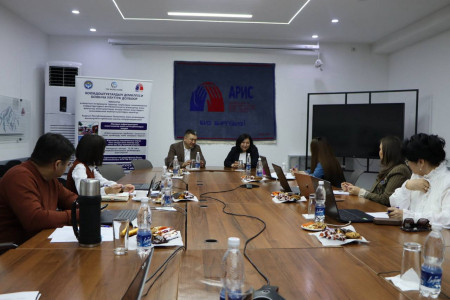
The report was made possible thanks to the institutional support of ARIS and the constructive collaboration of government bodies, local self-governments, initiative groups of Ayil Aimaks, the private sector, and sectoral experts at the national, regional, and district levels.